
Proper nutrition becomes more important with age, influencing energy levels, strength, and overall well-being. After 65, the body goes through natural changes that affect metabolism and how nutrients are absorbed. Adjusting daily habits with practical senior nutrition guidelines can help support a more balanced and consistent routine.
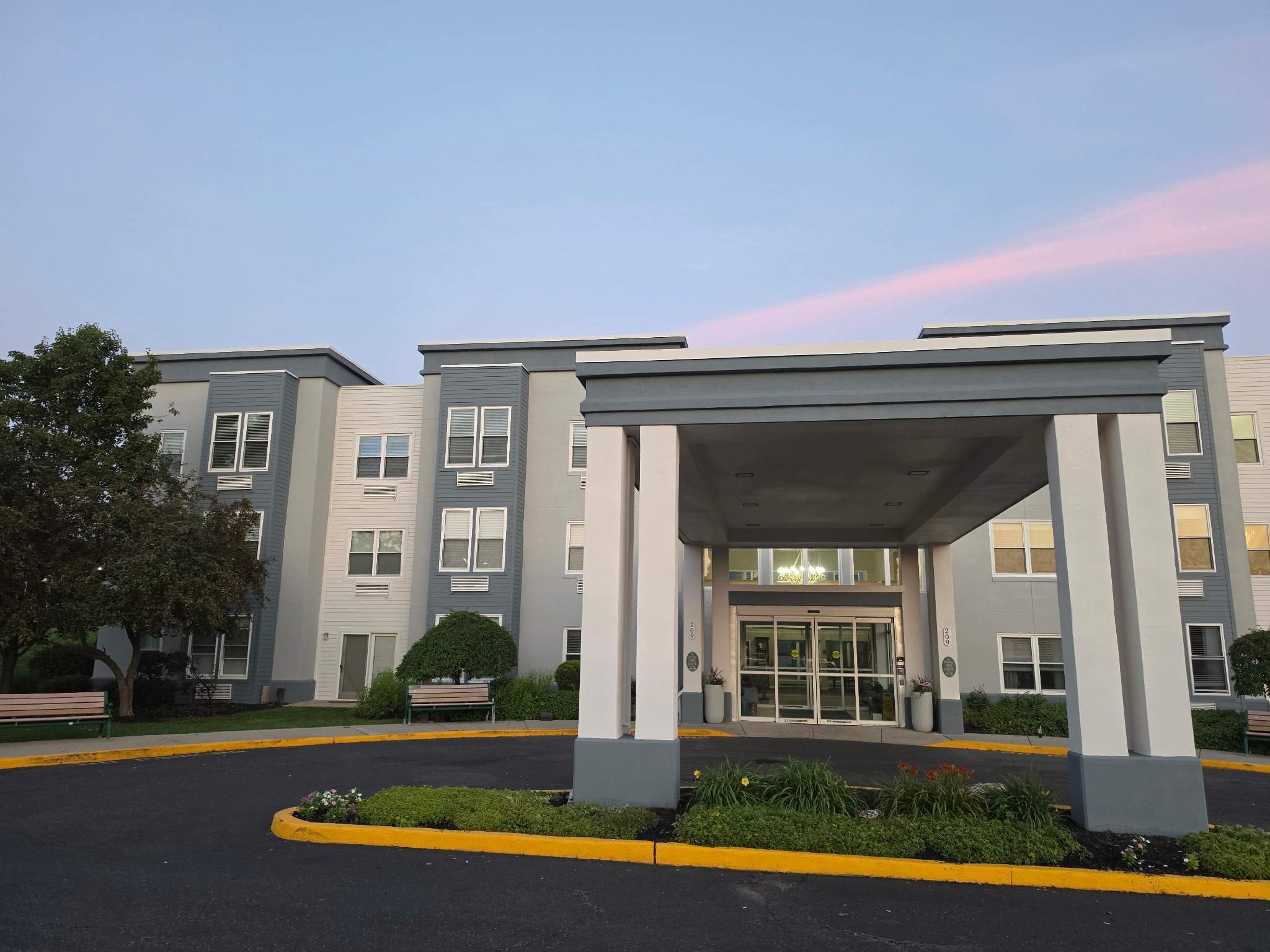
Seaton Voorhees offers a lifestyle that makes healthy eating easier to maintain, with chef-prepared meals, comfortable dining spaces, and opportunities to enjoy food as part of everyday connection.
Understanding Changing Nutritional Needs
As the body ages, it typically needs fewer calories but more nutrients. This shift places greater focus on food quality rather than quantity. A balanced diet later in life prioritizes foods that deliver lasting energy and essential vitamins.
A well-rounded approach to healthy eating for seniors often includes:
- Colorful vegetables that provide a range of nutrients
- Lean proteins that help maintain strength
- Whole grains for steady energy
- Healthy fats that support heart and brain health
Some people find that eating smaller meals throughout the day helps maintain energy and makes mealtimes more comfortable.
Seaton Voorhees offers restaurant-style dining and daily lifestyle offerings that help residents maintain these habits without the effort of cooking every day. Meals shift from a daily task to a more relaxed and enjoyable part of the day.
Protein: Supporting Strength and Energy
Protein helps maintain muscle and supports overall strength as the body changes with age. Including it regularly throughout the day allows the body to use it more efficiently.
Common protein options include:
- Poultry and fish
- Eggs and yogurt
- Beans and lentils
- Nuts and nut spreads
Spacing protein across meals instead of concentrating it at dinner can help maintain steady energy levels. Softer options like yogurt, eggs, or blended meals can also make eating more comfortable when appetites change.
Hydration: A Simple but Important Habit
Staying hydrated is one of the most practical nutrition tips for older adults. Since the sense of thirst can decrease with age, staying hydrated often requires more conscious effort.
Helpful ways to stay hydrated include:
- Drinking water consistently throughout the day
- Choosing herbal teas or light broths
- Adding fruits and vegetables with high water content
Building hydration into daily routines can make a noticeable difference in how you feel, from energy levels to overall comfort.
Calcium and Vitamin D for Bone Health
Bone strength becomes a greater focus over time. Calcium and vitamin D are among the essential nutrients for healthy aging because they work together to help maintain bone strength and reduce the risk of falls.
Foods that support bone health include:
- Dairy products or fortified alternatives
- Leafy greens such as spinach or kale
- Fish like salmon or sardines
- Fortified cereals and natural sunlight exposure
Pairing these nutrients with regular movement helps support long-term balance and mobility.
Fiber for Digestive Balance
Digestive changes are common with age, making fiber an important part of a healthy diet for seniors. It supports regularity and contributes to overall wellness.
Adding more of these foods can help increase fiber intake:
- Oatmeal and whole grains
- Soft fruits like berries
- Beans and legumes
- Cooked vegetables
Gradually increasing fiber and pairing it with enough fluids helps improve consistency while keeping digestion comfortable.
Making Healthy Eating Part of Everyday Life
Healthy eating becomes more sustainable when it fits into everyday routines. Simple strategies can make nutritional meals for seniors easier to maintain over time.
Consider:
- Preparing meals in advance when energy allows
- Keeping easy, nutritious snacks within reach
- Using frozen ingredients for convenience
- Sharing meals with others to make dining more enjoyable
Seaton Voorhees offers a setting where these habits feel natural. With thoughtfully prepared meals, inviting dining areas, and a full calendar of programs and events, residents can build routines that support both nutrition and connection.
Supporting Your Lifestyle at Seaton Voorhees
Following senior nutrition guidelines can support steady energy, comfort, and a more enjoyable daily routine. Over time, small, consistent choices around meals and hydration can help support energy, comfort, and daily enjoyment.
Our Independent Living with supportive services** community is designed to support your independence while offering access to additional help only when and if you want it. A choice of third-party providers is available onsite for your convenience, but you are under no obligation to use any particular one. This flexible approach is perfect for individuals or couples with varied needs. Extend your independent lifestyle by choosing to make our community your home.
With comfortable apartment homes and floor plan options, welcoming dining spaces, and a focus on everyday convenience, residents can maintain consistent routines that support overall well-being.
Schedule a tour at Seaton Voorhees to experience the lifestyle, dining, and community firsthand.
** A choice of third-party providers is available onsite for convenience, but residents are under no obligation to use any particular one.