
Staying physically active becomes increasingly important with age, but safety should always come first. For older adults aging in place, understanding safe exercises for seniors is crucial for maintaining independence and reducing the risk of injury.
Regular movement helps preserve strength, balance, and mobility. Exercise can also lower the risk of falls and support overall health. A consistent routine does not require expensive equipment or a gym membership. With the right precautions, safe exercises for seniors at home help older adults stay active and confident in their daily lives.
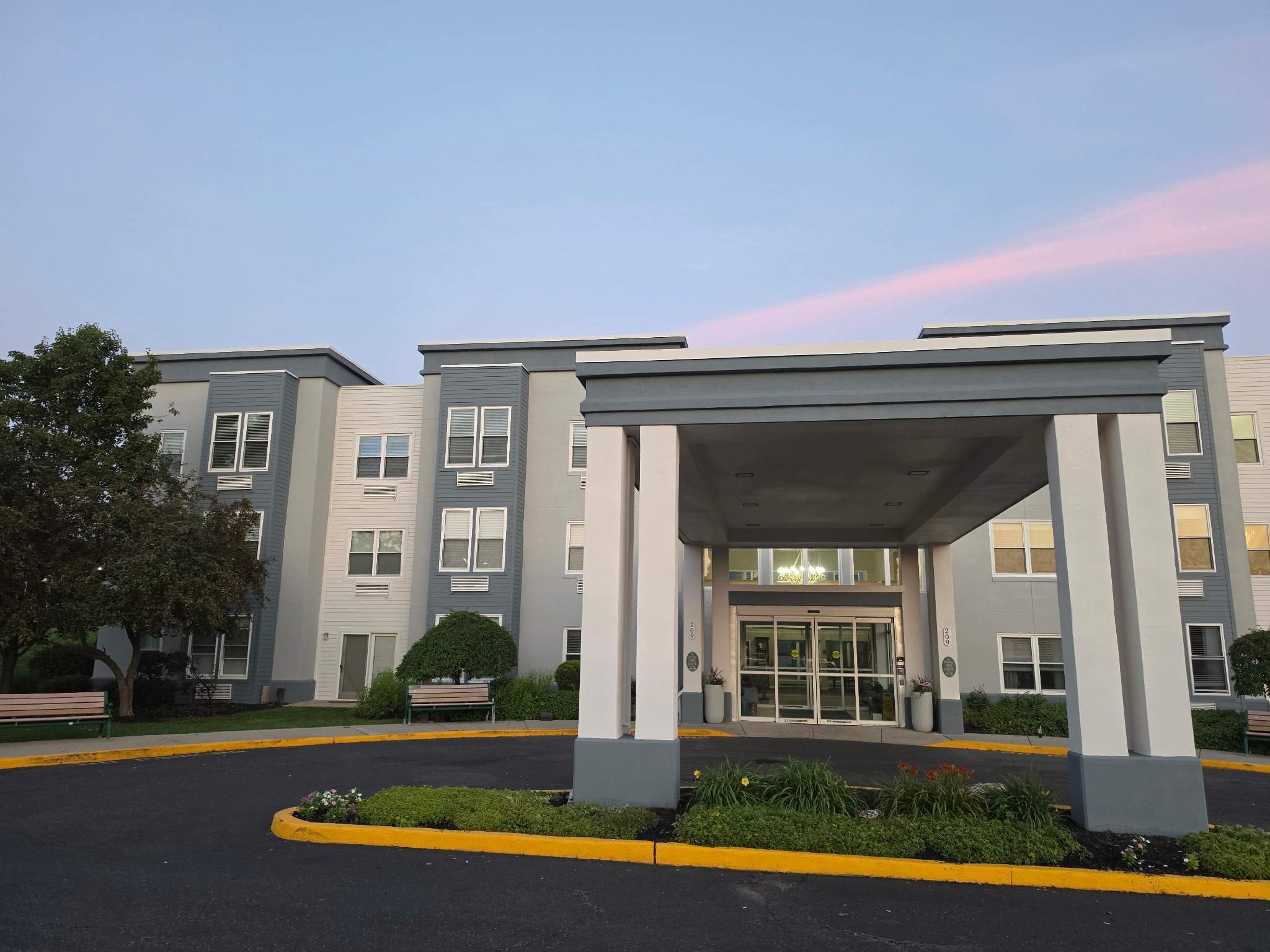
Many senior living communities also provide structured senior fitness programs that make exercise easier and more social. At Seaton Voorhees in Voorhees, NJ, residents of our Independent Living with supportive services** community can participate in Health & Fitness programs and group movement sessions. This programming encourages safe, enjoyable physical activity in a supportive setting.
Understanding Your Personal Fitness Level
Before beginning a new exercise routine, consulting with a healthcare provider is important. A physician can help identify health considerations that may affect your exercise choices. They will also suggest safe modifications based on your medical history.
Your conversation may include:
- Current medications and possible side effects that could affect balance or endurance
- Chronic conditions that require exercise adjustments
- Previous injuries that need special accommodations
- Any concerns about balance, mobility, or coordination
As people age, their fitness goals often change. The focus shifts away from intense performance and toward steady, moderate movement to support daily wellness. Starting slowly and building gradually allows your body to adapt while lowering the risk of strain or injury.
Even if you have been sedentary for years, beginning a gentle routine is still possible. Listening to your body and respecting its limits is the key to long-term success.
Creating a Safe Exercise Environment at Home
You should prepare your exercise space carefully to help prevent accidents. Taking a few minutes to set up a safe environment can make your routine more comfortable and effective.
When practicing safe exercises for seniors at home, consider the following steps:
- Remove throw rugs, cords, or clutter that could create tripping hazards
- Ensure the space has adequate lighting
- Keep a sturdy chair nearby for support during balance exercises
- Wear supportive, non-slip footwear rather than socks or bare feet
- Keep water nearby to stay hydrated
- Exercise within reach of a phone in case you need assistance
Many balance and seated exercises for seniors are possible using simple household items. A kitchen counter can provide support during standing exercises, while a sturdy dining chair works well for chair fitness for seniors. With these simple adjustments, you can create a comfortable workout space without special equipment.
Low Impact Options for Daily Movement
A low impact workout for seniors helps protect joints while still improving cardiovascular health and muscle strength. Walking remains one of the safest and most accessible forms of movement. Many older adults enjoy short walks through their neighborhood or around their community.
Other gentle options include:
- Water-based fitness programs that reduce joint strain
- Light strength training with resistance bands
- Stretching and flexibility exercises
- Balance-focused routines such as tai chi or gentle yoga
Chair fitness for seniors has become especially popular because it reduces fall risk while still engaging major muscle groups. These workouts are adaptable for many ability levels.
Common seated exercises for seniors include:
- Seated marching to support circulation
- Arm circles to improve shoulder mobility
- Leg extensions to strengthen quadriceps
- Gentle torso twists for core engagement
Many senior living communities provide structured group programs that make these movements easier to follow. At Seaton Voorhees, residents can participate in Health & Fitness and social programs. These activities encourage movement, connection, and routine while supporting overall health.
Recognizing Warning Signs During Exercise
Understanding the difference between normal exertion and warning signs can help prevent more serious health issues. Your body provides important signals during movement, and paying attention to those signals is essential.
Stop exercising immediately if you experience:
- Chest pain or pressure
- Severe shortness of breath
- Dizziness or lightheadedness
- Sudden or sharp pain
Mild muscle fatigue can be normal after exercise. However, sharp pain or severe discomfort may indicate that you should stop or modify your movement.
Another helpful habit is checking in with your body the following day. Some light soreness can occur after new movement routines, but ongoing pain may suggest the workout was too strenuous. Keeping a simple log of your workouts and how you feel afterward can help you identify patterns and adjust your routine.
Building Consistency Without Overdoing It
Successful senior fitness routines focus on consistency rather than intensity. Health experts often recommend about 150 minutes of moderate physical activity each week.
This goal can be reached through smaller sessions, like:
- Three 10-minute walks during the day
- A short morning stretch routine
- Light strength exercises several times per week
- Balance training on alternating days
Breaking exercise into smaller segments can make it easier to stay consistent and avoid becoming overwhelmed.
Rest days are equally important. Giving your body time to recover helps prevent fatigue and reduces the risk of injury. Mixing strength, flexibility, and balance exercises can also keep routines engaging and diverse.
Over time, steady effort brings meaningful improvements. Progress often happens gradually, and that is perfectly normal.
When to Consider Additional Support
Some older adults benefit from professional guidance when beginning a new fitness routine. This can be especially helpful for individuals managing chronic conditions or recovering from injury.
Physical therapists and trained wellness professionals can design personal programs that focus on safe movement and functional strength. Their guidance can help older adults build confidence while protecting their health.
Senior living communities can also provide helpful support. Communities such as Seaton Voorhees offer wellness-focused programs and opportunities for residents to stay active in a structured, social setting. Group movement sessions, walking groups, and guided chair fitness programs allow residents to stay engaged while exercising safely alongside their peers.
Whether you choose to remain at home or explore community living options, maintaining safe movement habits plays an important role in long-term wellness and independence.
If you are exploring senior living options in New Jersey, Seaton Voorhees offers Independent Living with supportive services** designed to support your independence while offering access to additional help only when and if you want it. A choice of third-party providers is available onsite for your convenience, but you are under no obligation to use any particular one. This flexible approach is ideal for individuals or couples with varied needs and helps extend an independent lifestyle in a supportive setting.
Find compassionate care tailored to you or your loved one's needs at Seaton Voorhees. Schedule a personalized tour today.
**A choice of third-party providers is available onsite for convenience, but residents are under no obligation to use any particular one